Injury, suspension and squad depth: a pre-match checklist
· 6 min read
The result of a match is sometimes shaped before the teams even step onto the pitch. A key player being injured, a team captain being suspended, or the absence of one of the two central midfielders changes the balance of the match. Reading these absences correctly when making predictions and building a squad directly affects both score predictions and the choice of the starting XI. In this article we explain how to assess information about missing players, how to read the impact of a substitute, and how to work with this information in TacticIQ.
Verify the information first
Injury and suspension news changes quickly. A player who looks certainly out in the morning may change course with news that he has "gone on a warm-up run" by the evening. So don't rely on a single source.
In TacticIQ, injury and suspension information is shown for some matches, but this data may not be available for every match. If there is no data, the app says "no injury/suspension information for this match." What matters: the app does not make up an injury that does not exist, and it correctly shows the absence of data. So when information is missing, you need to verify it from a second source you trust. On the Squad tab you cannot add a player marked as injured to your squad; the app tells you the player is injured and says you can add him again once the injury clears.
Missing player: who was he, and what was he doing?
When evaluating a player's absence, go beyond "who?" and ask "what was he doing?" Two players playing in the same position can take on very different roles.
Loss of role
- Playmaker: If there is no midfielder who directs the team's build-up, the team may turn to long balls and individual solutions.
- Defensive leader: If the centre-back who organizes the defensive line is missing, gaps between the lines and the high defensive line become risky.
- Set-piece specialist: If the player who takes corners and free kicks is absent, the team's threat from set pieces decreases.
- Fast winger: If the most important weapon of the counter-attack is missing, the power of the counter drops.
Direct replacement or role change?
It is important to understand whether the substitute will take on the same role as the missing player. A like-for-like replacement keeps the team's shape; an experiment in position (for example, playing a midfielder as a full-back) increases risk. In cases where the shape changes, be more cautious in your predictions: uncertainty increases in categories such as total goals and first goal.
Suspensions: not just red cards
Most people think of a red card when they hear "suspension." But there are players who are suspended through accumulated yellow cards. There are also players who are "on the edge of a suspension": players who hold back until their next yellow card. These two situations are different:
- Suspended player: Definitely out; plan accordingly.
- Player on the edge of a suspension: Can play, but may be cautious. This may also affect card predictions; for details, see our cards and corners guide.
Squad depth: what happens when a player is missing?
Every team's depth is not equal. A wide and balanced squad keeps its shape with one or two absences; a narrow squad pays far more for each absence. To read depth:
- Is there a real substitute in the same position? Is it a direct equivalent, or a player from another position?
- How much playing time does the substitute get? A player who has had little time in recent matches may lack rhythm.
- How many matches has the team played with the same squad? Continuity means cohesion.
- Fixture congestion: In a team playing matches a few days apart, rotation and depth are tested.
The combination of these aspects determines the impact of a missing player on the match. A single absence sometimes makes no difference; sometimes it shakes the whole team.
How do you update your squad?
When information about an absence arrives while building your own starting XI, follow these steps:
- Remove the missing player: The app does not let you add an injured player anyway.
- Identify the role: Who will take over the role of the player who has left?
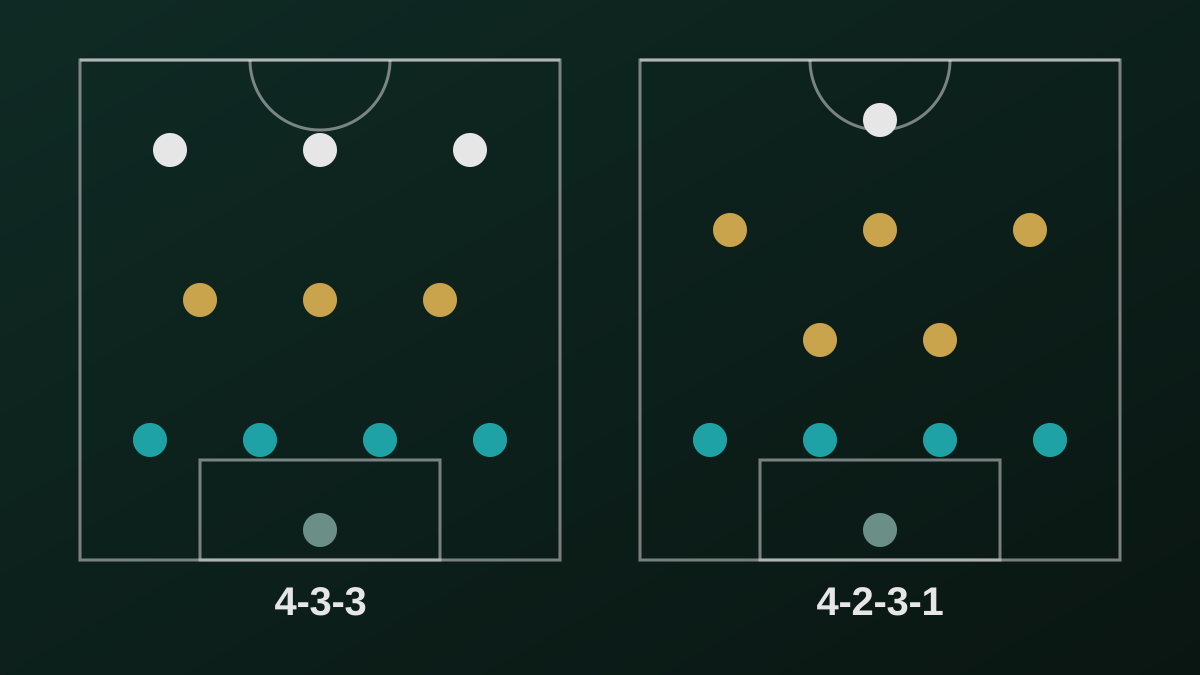
- Review the formation: Because of the absent player, the coach may change the formation (for example, moving from a back four to a back three). We explained the logic of formations in our build your own XI guide.
- Do a final check before locking: If you see community data or the real lineup, your predictions are permanently locked. So check the latest information before the lineup is announced.
Naming the squads clearly and keeping more than one record also helps you switch quickly between different scenarios.
Don't try to extract "value" from absences
When news of a missing player arrives, it is tempting to say "this team will certainly lose" or "the opponent will certainly win." But in football, absences sometimes unite a team. A strong substitute can become a new star with a few good performances. So do not make a missing-player report the sole reason for a decision; assess it together with the team's shape, the opponent, form and depth. Trying to catch "value" with weak evidence is misleading.
Pre-match quick checklist
- [ ] I verified the injury and suspension information of key players from a second source.
- [ ] I identified the role and substitute of the missing player.
- [ ] I considered the possibility that the formation will change.
- [ ] I looked at fixture congestion and fatigue.
- [ ] I checked the information once more before locking.
After the match: evaluate the impact of the absences
After the match ends, check whether the absences really made a difference. This gives subtle learning for the next match: notes such as "the team played badly without this player" or "the substitute came out much better than expected" gradually give you your own reference set. To develop your match-reading skills in general, you can take a look at our football intelligence guide.
Conclusion
Injured and suspended players are the most dynamic part of pre-match analysis. Verify the information, read the role and the substitute, account for depth, then update your squad. TacticIQ provides a safety net by not letting you add an injured player to your squad; but when data is missing, additional verification is your job. A small checklist prevents big mistakes.