No-betting match prediction game: how it works
· 6 min read
Before a weekend match, you may have argued with a friend that "this one will end 2-1." Sometimes you are right, sometimes the other person says "I told you so." Is it possible to turn that small, proud rivalry into a real game, record it, and do it without any financial risk? Yes: we call this a no-betting match prediction game.
In this article we explain what a no-betting prediction game is, what you should look for for a game to fit this framework, and how a prediction turns into points in TacticIQ, step by step.
What does a no-betting prediction game mean?
The basic idea is simple: before a match starts, the player records their expectations about the result; when the match ends, these expectations are compared with reality, and points are awarded based on accuracy. These points are virtual. No money is deposited or withdrawn, and no cash or anything equivalent to cash is handed out as a prize. The winner is the person who rises in the rankings and earns recognition.
Three things separate this structure from games where money is put in:
- There is no entry fee. To join the game, you don't put any money down.
- The reward is not cash. What you receive in return is points, badges and rankings.
- The outcome is determined by knowledge, not chance. A player who reads form, absences and tactical setups will see their points rise consistently.
TacticIQ works within this framework: there is no deposit, withdrawal or cash prize; points, experience points (XP) and rankings are virtual. Optional Pro and token packages only unlock features; they are not a means of earning money.
How to make a prediction for a match in TacticIQ
When you open a match, you see four main sections on the match details page: Lineup, Prediction, Live and Statistics. The game logic flows like this:
1. Choose the match
Open an upcoming match from the cards on the home page. The small badges and stars on a card give hints about form, the importance of the match, or derby signals; but these are signals, not guarantees of the result.
2. Set the lineup and formation
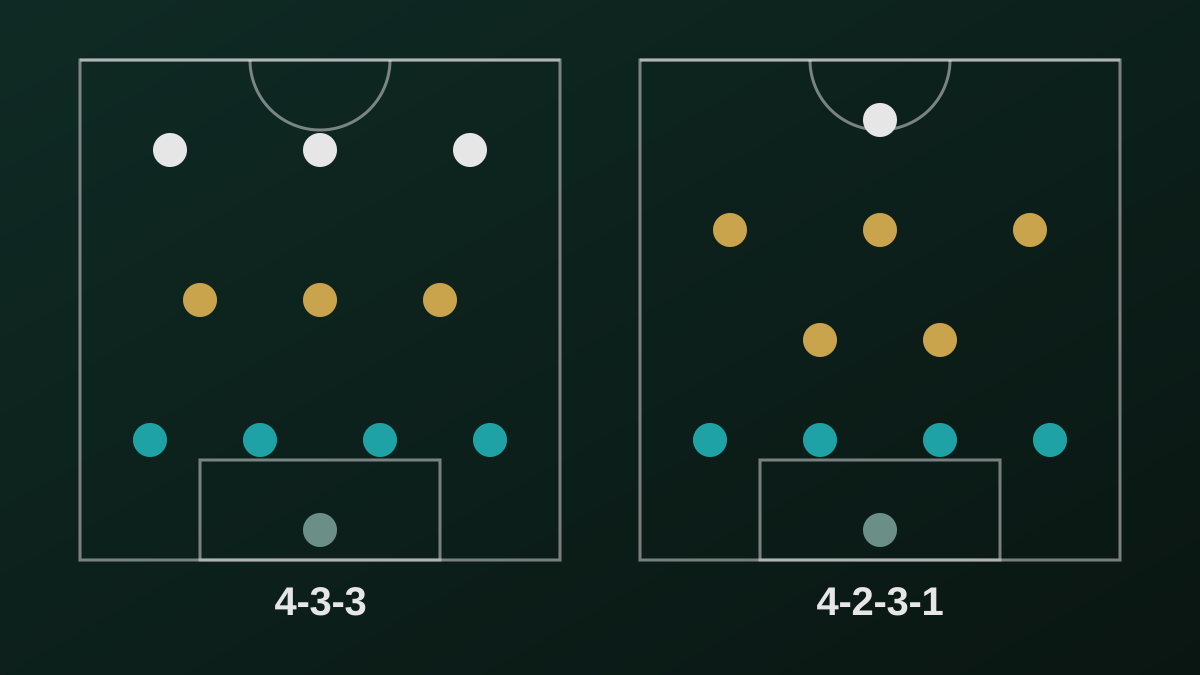
In the Lineup tab you choose a formation and place players on the pitch. You can find the details of this step in our build your own XI guide.
3. Make your event predictions
In the Prediction tab you make choices such as score, total goals, cards, corners and similar. The on-screen rules show what is allowed before the match starts. For your predictions to count, you must submit them before the match starts.
4. See your points when the match ends
When the match ends, your predictions are scored automatically. You can see, item by item, how many points each one earned on the Points Breakdown screen. You also rate players and the coach yourself; these votes are shown side by side with the community's.
How does scoring work?
Scoring is designed to reward consistent analysis rather than a single lucky prediction. According to the description in the app:
- Scoring is split into four equal groups, and at most 25 points can be earned from each group.
- If your predictions in the analysis focus you chose at the start come true in that group, you earn an extra multiplier from that group; if they don't, there is no penalty.
- Time bonus: predictions made before the lineup is announced receive a plus bonus, while predictions left for the last two hours have a slight negative effect. In other words, early analysis is rewarded.
- Streak bonus: as the matches in which you score points in a row increase, you receive additional points; there is a separate bonus defined for each streak of 3, 5, 7 and 10 matches.
- Your rating votes after the match also bring bonus points.
The purpose of this system: reward the feeling of "I've been consistent over the last ten matches," not "I won today." Whatever point calculation an app uses, it earns trust if it openly shows the calculation. In TacticIQ, this breakdown is visible on screen.
Playing against the community
A side of the prediction game that adds to its enjoyment is community data. On the lineup and prediction pages, you can see what percentage of users chose which formation or which player. There is one small rule here, however: once you have seen community data or the official lineup information, you can no longer change or delete the related predictions. The app warns you before this lock takes effect. Moreover, players who make independent predictions without seeing community data can earn an extra bonus of points.
This rule teaches you something: it is easy to follow the herd after seeing everyone's opinion; the real skill is putting forward your own analysis in advance.
Rankings, streaks and badges
As your predictions accumulate, they are rewarded in two places:
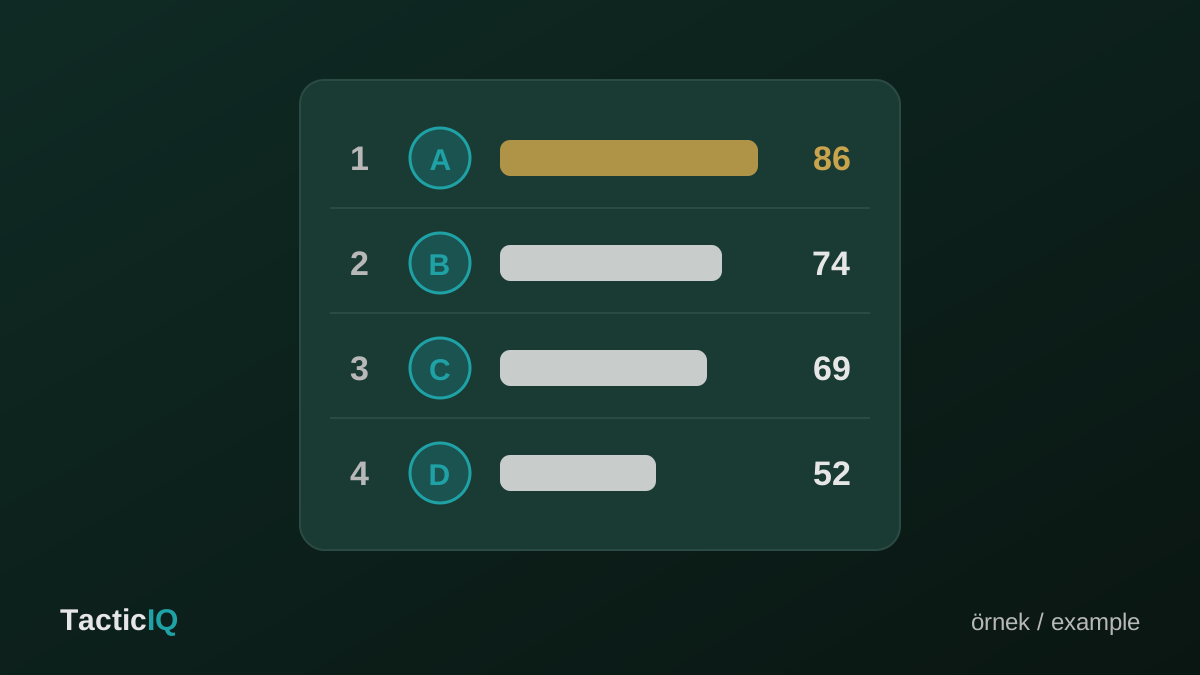
- Country and world rankings: you sit side by side with other users playing the same game. To appear in the country ranking, you need to select a national team in your profile.
- Badges: based on the number of matches in a row in which you scored points, achievements such as "Streak Starter" and "Unbreakable Streak" unlock; there are also separate streak badges for consecutive correct predictions.
These are not cash; they are reputation. Seeing your own name in a ranking is the provable form of saying "I told you so" in a football conversation.
What should you look for when choosing a no-betting game?
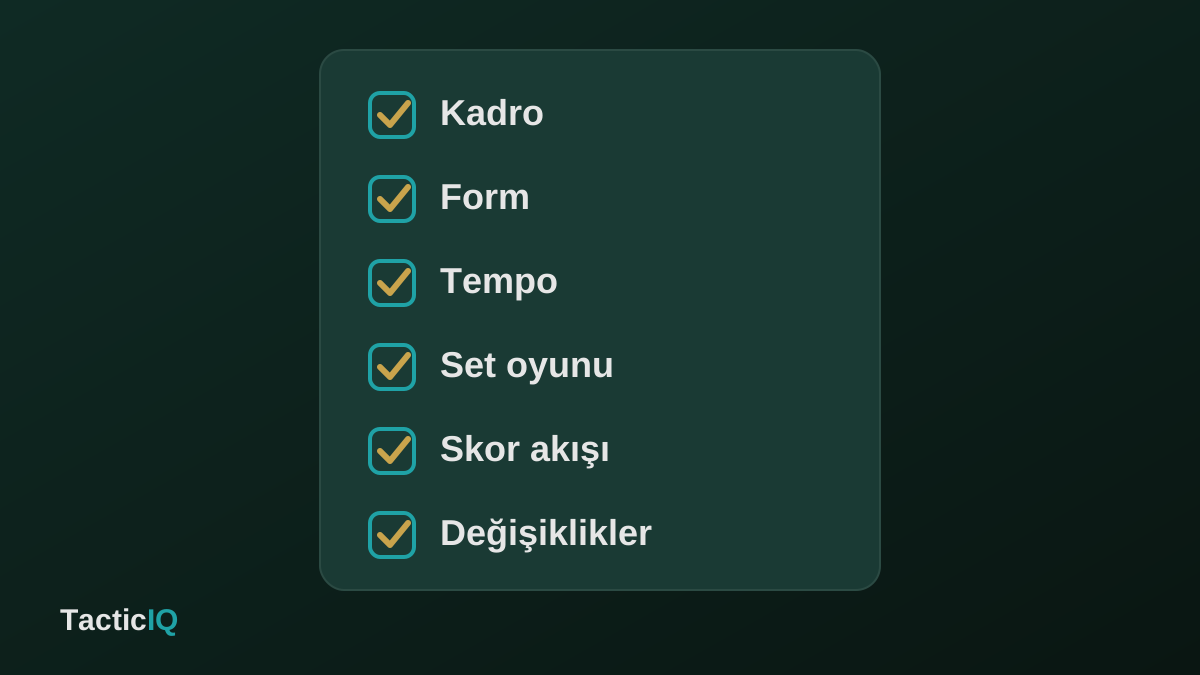
To understand whether a prediction app is truly no-betting, ask these questions:
- Can I deposit and withdraw money in the app? (If you can, it is not no-betting.)
- Is the prize cash, a gift card, or something that can be converted into cash?
- Is the game's description built on "chance," or on "knowledge and analysis"?
- Are the terms of use and privacy texts clearly written; is it clearly stated that there is no real money transaction?
- Is it transparent about age limits and data collection?
TacticIQ openly answers all of these questions in the app and on the website; the "Fair Play" page explains that it is a skill-based game and that there is no real-money payment.
A small plan to start
- Choose one national team and at least one favorite club.
- Pick a match from next weekend.
- Make your lineup prediction a day before the match; making it before the official lineup brings a time bonus.
- Submit your predictions before the match starts.
- When the match ends, check the Points Breakdown and ask yourself: "Which of my decisions was wrong, and why?"
At the end of your first week, what matters is not so much your place on the scoreboard as understanding why you were wrong. This game quickly makes you a person who watches matches more carefully.